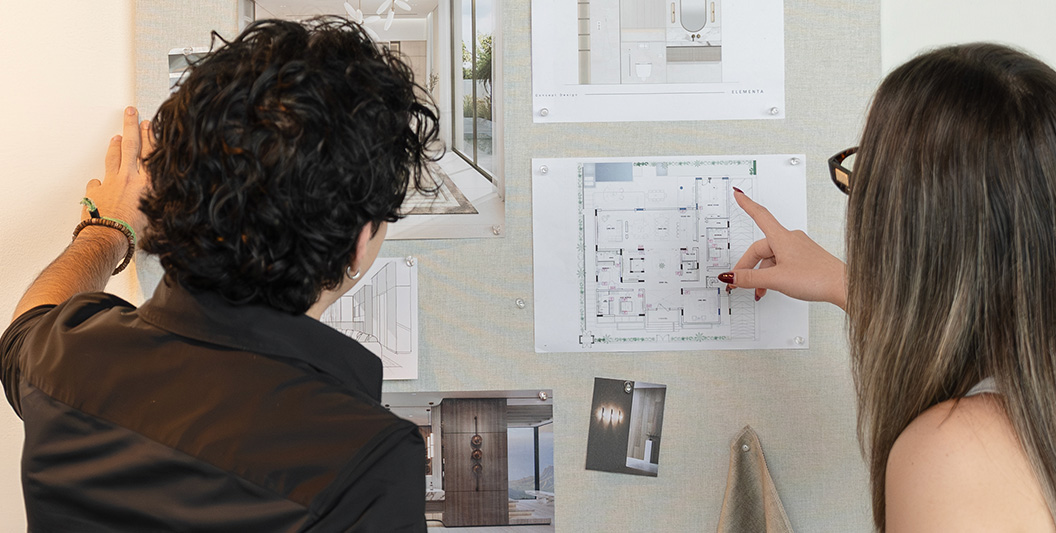



The psychology of space: How interior design impacts mood, wellness & productivity
Interior design is not only about how a home looks – it’s about how it makes you feel. The spaces we live in have a profound influence on mood, wellness, and even productivity. In a fast-paced city like Dubai, where homes are designed as both sanctuaries and statement pieces, understanding the psychology of space has become essential.
At Elementa, we see every project as more than a collection of materials and layouts. We see it as a carefully orchestrated environment – one that nurtures the well-being of its residents.
How spatial layout shapes behaviour
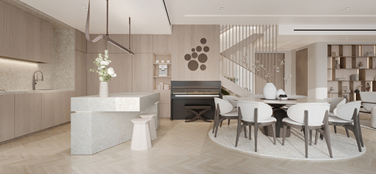
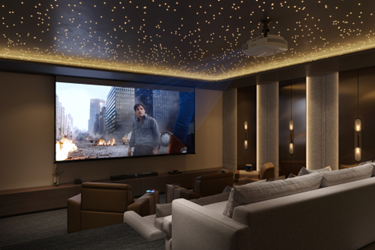
The way a space is arranged determines how we move, interact, and rest.
- Open layouts encourage connection and social interaction, ideal for family living and entertaining.
- Defined zones support privacy and focus, making them perfect for home offices or reading corners.
- Circulation flow impacts energy: clear, unobstructed pathways reduce stress and make a home feel harmonious.
Materials and texture: Creating emotional resonance
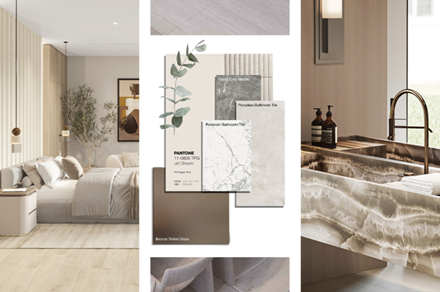
The materials chosen for a home directly affect its atmosphere:
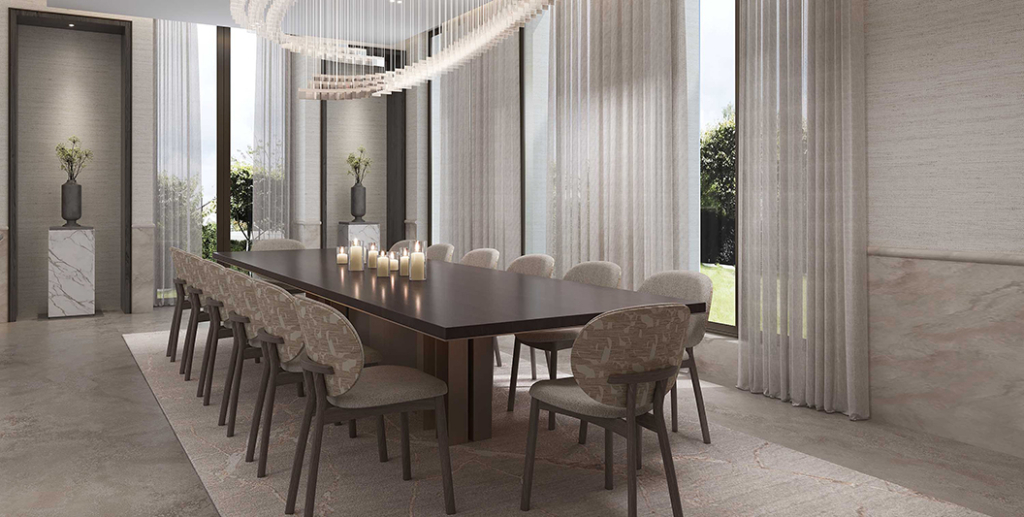
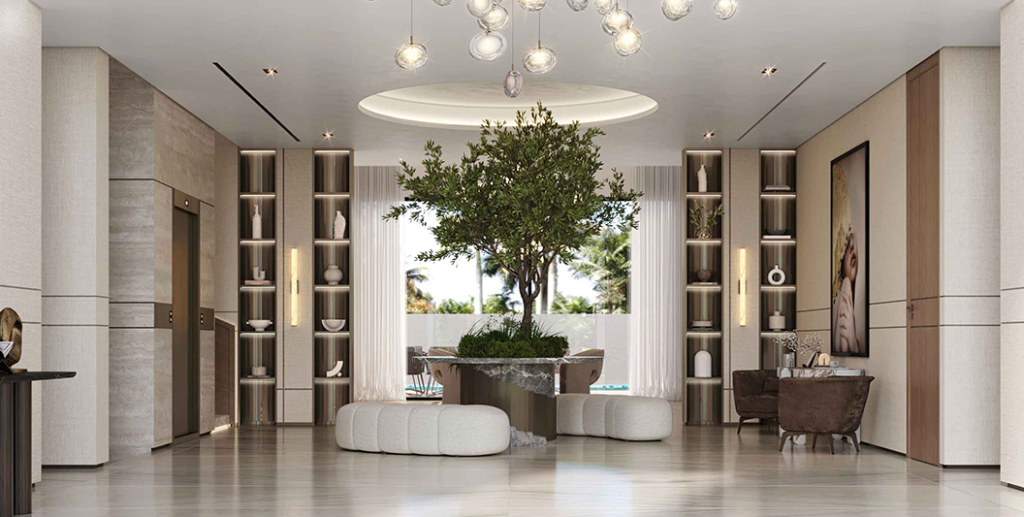
- Natural stone and wood introduce warmth and grounding.
- Glass and polished surfaces evoke modernity and clarity.
- Soft fabrics and textiles create comfort and relaxation.
For luxury interior design, the blend of these materials is key. Too much sleekness can feel cold; too much softness may lack sophistication. Our role as interior consultants in Dubai is to find the balance that resonates with a client’s lifestyle.
Colour psychology: The invisible design tool
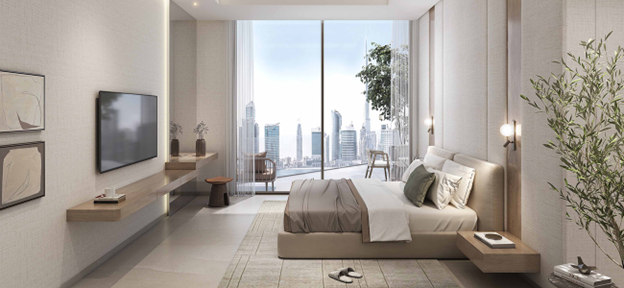
Colour influences emotions more than any other design element.
- Neutral palettes (beige, ivory, greys) promote calm and timeless elegance.
- Blues and greens are associated with relaxation and wellness, ideal for bedrooms and lounges.
- Bold accents like deep reds or metallic tones create energy and luxury, perfect for dining rooms or feature walls.
Elementa Insight: In our Woodland Terraces project, a carefully selected palette of warm neutrals with muted gold accents elevated the interiors, making the apartments feel both sophisticated and inviting.
Designing for wellness and productivity
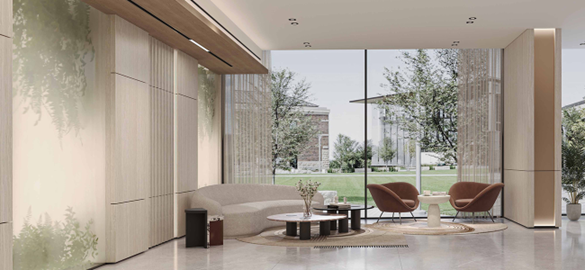
As hybrid lifestyles continue to evolve in Dubai, homes now serve multiple purposes – from relaxation hubs to workspaces. Good design anticipates these needs:
- Wellness-focused spaces: Biophilic design (using greenery, natural light, and organic materials) promotes relaxation and lowers stress.
- Productivity-driven spaces: Dedicated work zones with ergonomic furniture, layered lighting, and acoustic planning support focus without compromising style.
For us, residential interiors should serve the full spectrum of human needs: calm, connection, and creativity.
Why this matters in Dubai
Dubai homeowners value design that reflects not only status but also lifestyle. Luxury interior design here must blend aesthetics with function, offering homes that are both statement-making and supportive of well-being.
As interior consultants in Dubai, we see psychology as a powerful design tool – helping us create residences that look extraordinary but also feel right to live in.
Conclusion: Homes that nurture, not just impress
The psychology of space shows us that interior design isn’t about trends – it’s about people. Every choice, from layout to material to colour, influences how a home supports mood, wellness, and productivity.
At Elementa, we believe your home should do more than impress – it should inspire, restore, and elevate your everyday life. Ready to create a bespoke interior that nurtures both style and well-being? Get in touch with our team today.